The treasure of every land is the history of its products

Share on

De gusto - Refreshments for N.A.R.C. circuit awards 2025

Trieste (Trieste): 21 Feb 2025, h: 19:15 - 21 Feb 2025, h: 20:15

On behalf of the Yacht Club Monfalcone, De gusto created the refreshments on the occasion of the presentation of the N.A.R.C. Circuit for the year 2025.

Products and Farm Involved:

Chopping boards with:

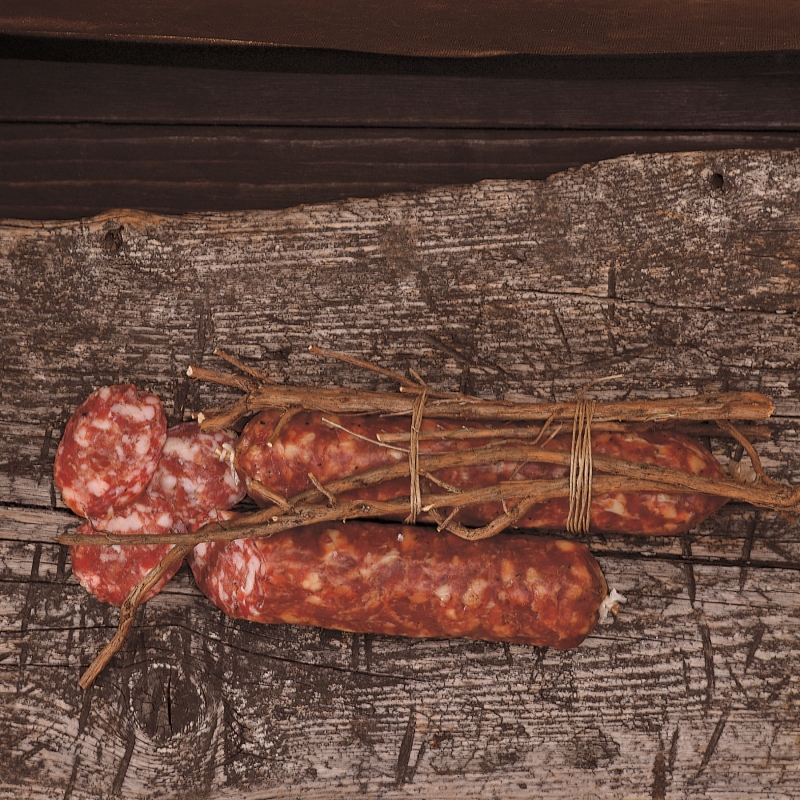
- Salame Friulano - "Wolf"
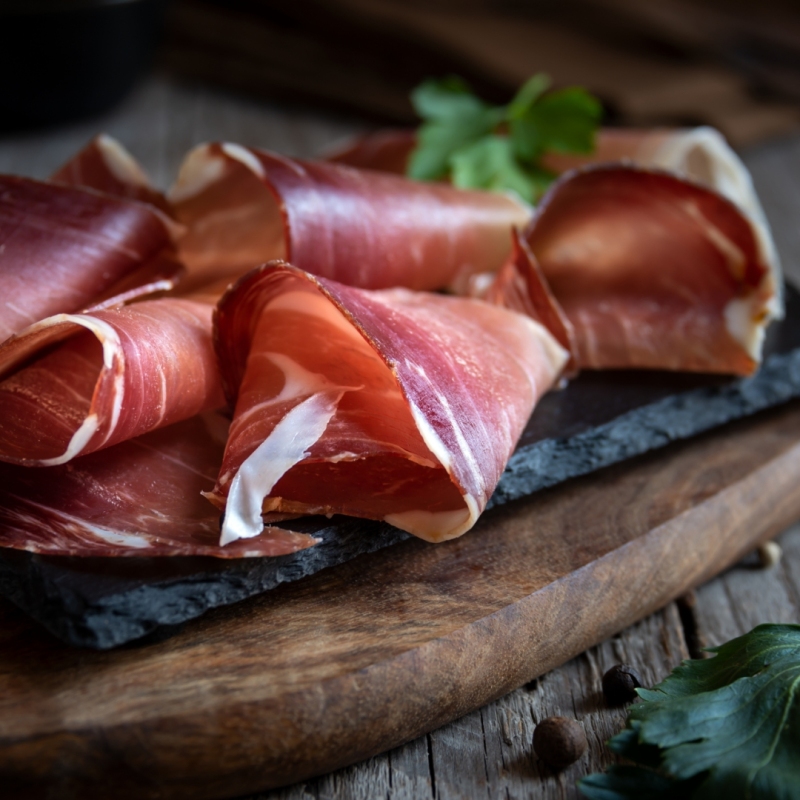
- San Daniele ham - "Prosciuttificio Morgante"
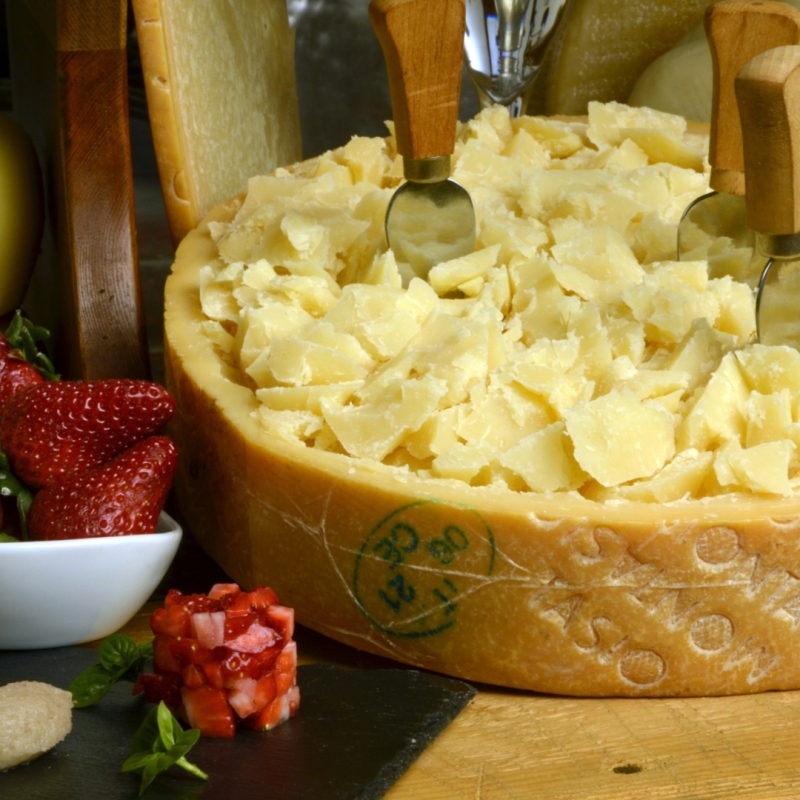
- Montasio DOP cheese - "Formaggi Tosoni"

Crostini with:

- Trieste Prague Ham Mousse - "Dentesano Salumi"
- Traditional creamed salt cod and truffle - "Cape Trieste"

Gluten Free vegetarian finger food:

- Vat-flavoured aubergine cream and taralli crumble - "Gaia"

Grissini and Sneck:

- Marcoritti breadsticks - "Valentino Marcoritti"
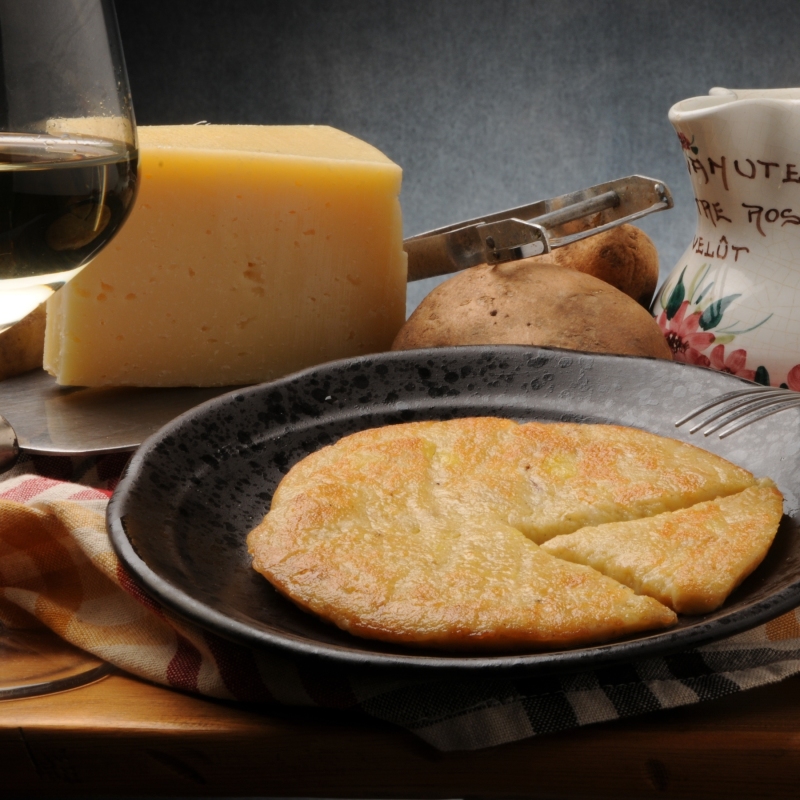
- Frico sneck - "Formaggi Tosoni"

Sweets, jams and honeys:

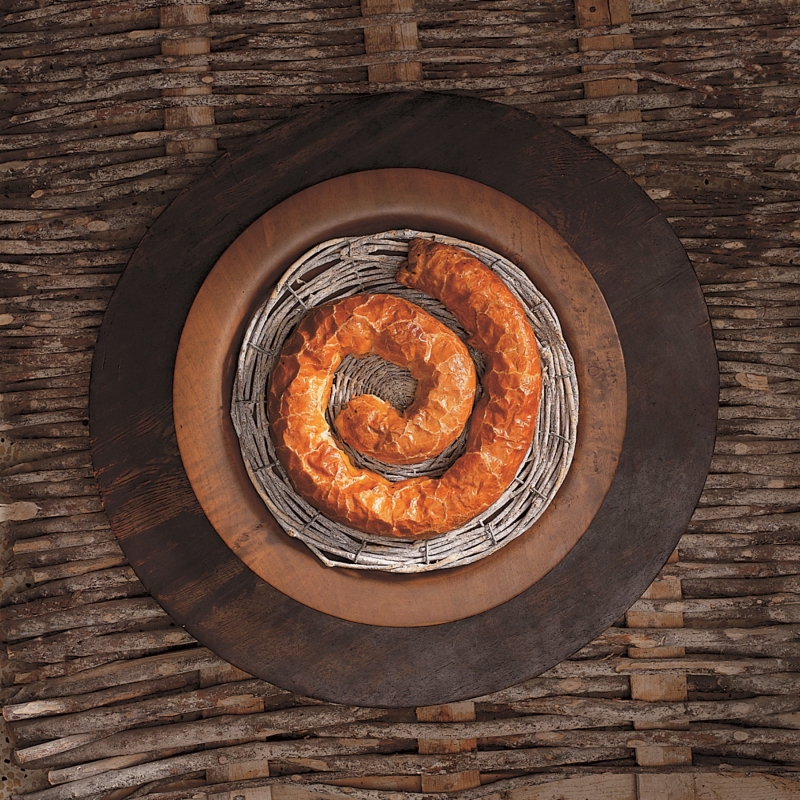
- Presnitz - "Bakery Sandrigo Aquileia".
- Biscuits "Saraceni gocce"  with chocolate drops (Gluten Free) - "Gaia".
- Wildflower honey - "Lycia Apicoltura".
- Figo Moro Jam - "Consorzio del Figo Moro"

Beverage:

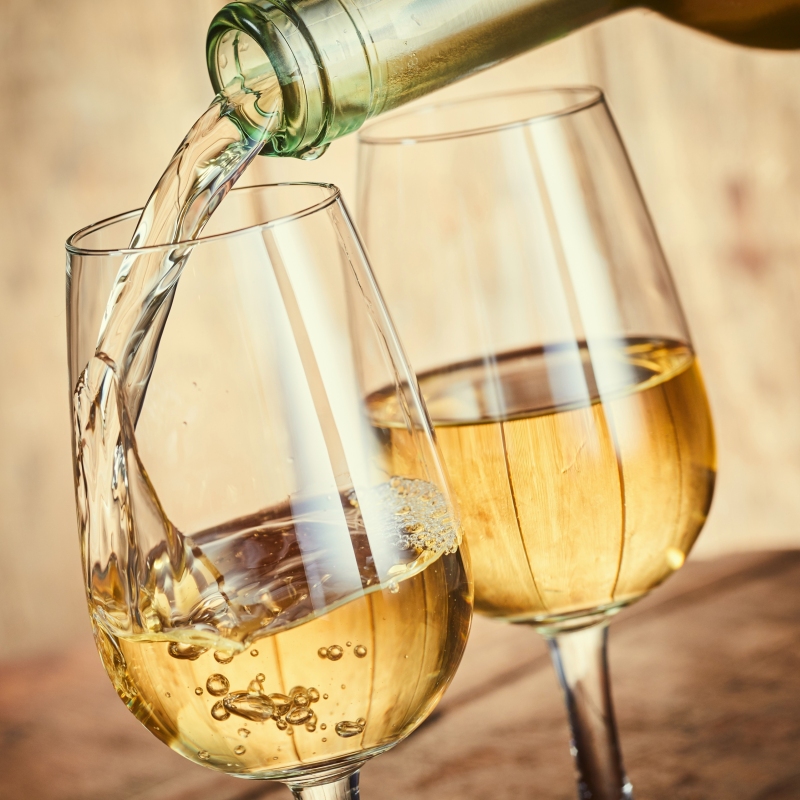
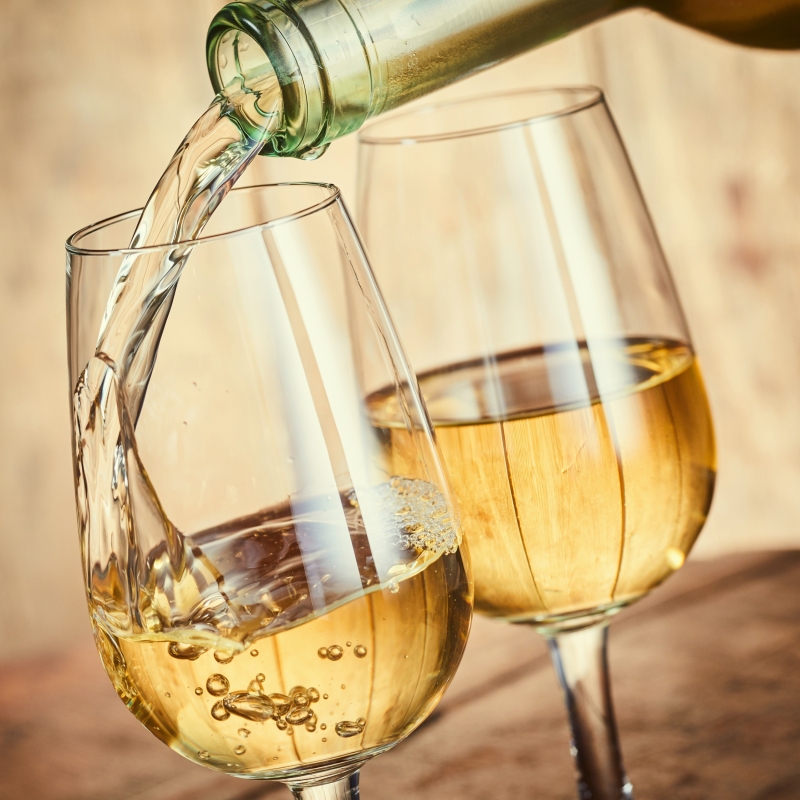
- Sparkling white wine "Prima Res" - "4PR birrai in friuli"
- Red wine "Refosco da peduncolo rosso" - "Brojli"
- White wine "Malvasia" - "Ferula"
- White wine "Sauvignon" - "Colmello di Grotta"
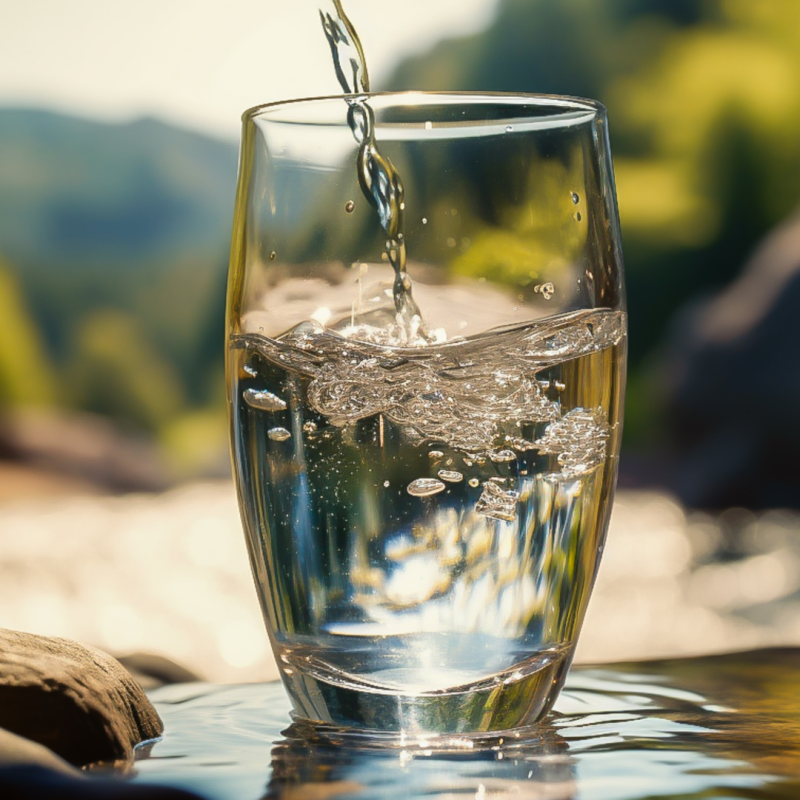
- Natural and sparkling water - "Dolomia"
- 100% apple juice - "4PR birrai in friuli"

For the mise an place we used wooden cutting boards, a set of BIO forks, knives and napkins, and Tritan glasses.

Location Piazza della Borsa 34121 Trieste (Trieste) See the map
Location
Piazza della Borsa 34121 Trieste (Trieste)
Hall Chamber of Commerce of Venezia Giulia. 1806 The building was commissioned by the Deputazione di Borsa, which purchased a marshy property in 1799 to build the seat of the Stock Exchange. Plans by Matteo Pertsch and Antonio Mollari were submitted in 1800. The Academy of Fine Arts in Parma, to whom the final decision was delegated, chose the design by Mollari from the Marche region. Construction of the Palazzo della Borsa began on 17 May 1802, the day the foundation stone was laid, and was completed in 1806. The official inauguration took place on 6 September 1806. The sculptural decoration of the building was entrusted to three artists from Veneto in 1805: Antonio Bosa, Bartolomeo Ferrari and Domenico Banti. The last statues for the facade were delivered in 1820. The frescoes inside the building were commissioned to Giuseppe Bernardino Bison, who executed them between 1805 and 1806. In particular, in the Great Hall on the first floor he painted a scene depicting the proclamation of the Free Port of Trieste by Charles VI. In 1820, a sundial was made on the floor of the Loggia on the ground floor by the Friulian Sebastianutti. In 1828, the Stock Exchange offices were moved to the adjacent Palazzo Dreher. The building suffered damage during World War II, which was followed by restoration work carried out between 1949 and 1955 under the direction of the Superintendency. From 1966 to 1980, the Palazzo della Borsa underwent further restoration work. In particular, in 1972 the facades were restored, based on a project by architect Vittorio Frandoli. In 1973, architect Giampaolo Bartoli was commissioned to restore the rooms on the ground floor. The restoration of the exterior decorations dates back to 1988. The most recent restoration work on the exterior facades was carried out in 2005. It is currently the headquarters of the Chamber of Commerce. The building, with a trapezoidal plan, is built in the Neoclassical style. The main facade, facing Piazza della Borsa, consists of a pronaos with a Doric colonnade supporting an entablature decorated with triglyphs and metopes and culminating in a tympanum. In the centre of the tympanum is a clock flanked on either side by two sculptures of winged figures. On the ground floor of the facade overlooking Piazza della Borsa are four statues set within niches. In the centre is the main entrance to the building. On the first floor, the niches are interspersed with windows. Four high relief panels are also placed on this facade. The side facades and the facade facing the sea are characterised by an ashlar base. In addition, the side elevations have two foreparts decorated with Doric pilasters. The terraced roof of the building is bordered by a balustrade decorated with statues. LAPIDE (exterior) On the main facade, above the entrance, is a white marble plaque with a Latin inscription by Labus. FREGI (exterior) The four high relief panels, executed by Antonio Bosa, depict the allegories of Commerce, Industry, Navigation and Industry. METOPE (exterior) The metopes depict the symbols of Commerce. SCULPTURES (exterior) The statues in the niches on the ground floor depict: Asia, sculpted by Domenico Banti, Africa and Europe, by Bartolomeo Ferrari and America, by Bosa. In the niches on the first floor, statues represent Vulcan and Mercury. The former was made by Banti, the latter by Ferrari. The statues on the balustrade, all by Antonio Bosa, depict the Danube, the Genius of Trieste, Minerva and Neptune. On the tympanum are two winged figures representing Fame, by Bosa. MERIDIANA (interior) In the loggia on the ground floor there is a 12-metre long sundial, which received light from a hole in the perimeter wall and marked the local noon. It was made by Sebastianutti in 1820. AFFRESCO (interior) The vault of the Great Hall on the first floor is frescoed with a scene evoking the proclamation of the Free Port of Trieste by Emperor Charles VI. The fresco was painted by the painter Bison between 1905 and 1906. (Taken from "Catalogo Culturale - Musei Civici di Trieste")  
Points of interest

e-Shop products available for tasting

Gallery
To add a reviewLogin
No review found Sign in to leave e review