When the warmer weather approaches or we simply look in the mirror, cellulite becomes one of the most heartfelt topics among the female population. Between miracle creams, detox drinks, and starvation diets, there's always a tendency to send the wrong message: that cellulite is just a buildup of fat due to a few too many mistakes and that eliminating it is just a matter of willpower. Cellulite is not simply fat and is an absolutely physiological condition that affects approximately 90% of women. To really deal with it we need to understand what's going on inside our bodies.
Its scientific name is Edematous-Fibro-Sclerotic Panniculopathy. A very long name that explains its nature very well. This is not a trivial fat pad, but a problem that starts from the microcirculation, that is, from the health of our very small blood and lymphatic vessels.
When these vessels don't function at their best, they begin to "lose" fluid, which accumulates between the cells. This stagnation (the edema) inflames the surrounding tissue. Over time, the collagen fibers that connect the skin to the underlying muscles lose elasticity, stiffen, and pull downward, while fluid and fat cells push upward. This explains the "orange peel" effect. Being double-stranded to estrogen, the quintessential female hormone, cellulite is simply part of female biology.
If it's a matter of hormones and blood vessels, what does nutrition have to do with it?
It has a lot to do with it, because the food we choose can put out or, conversely, fuel this silent fire. There are two fundamental biochemical mechanisms to consider. First of all, blood sugar: if we often eat simple sugars or very refined carbohydrates, blood glucose increases and the body produces a lot of insulin, which stimulates fat accumulation. Additionally, excess sugars damage and stiffen collagen through a process called glycation: hardened collagen makes the skin less elastic, accentuating cellulite nodules. Another aspect to consider is salt: we often blame the salt we put in pasta water, but the real enemy is the sodium hidden in convenience foods, cured meats, and ultra-processed products. Excess sodium, combined with a low-potassium diet (found in fruits and vegetables), alters the balance of fluids in cells, forcing the body to retain water just where we don't want it to. Furthermore, if we drink little, the body goes on "dehydration alert" and activates hormones that retain even more fluid.
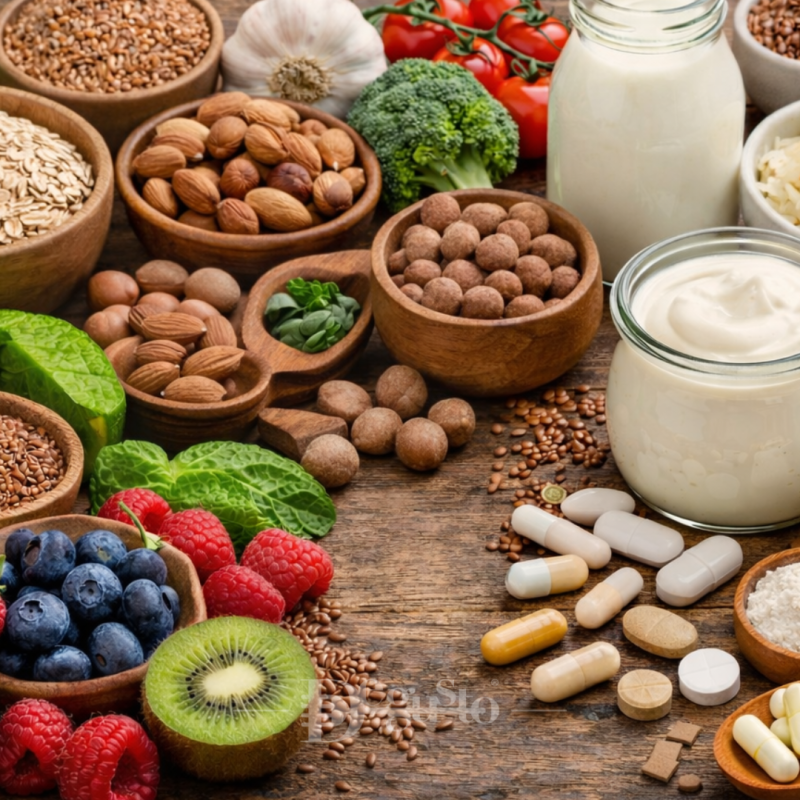
There is no "anti-cellulite diet" par excellence, but we can adopt an anti-inflammatory eating style that can dramatically improve leg health (and more). The right carbohydrates should be chosen, namely whole grains and legumes. Always paired with a good amount of protein and healthy fats (such as extra virgin olive oil or nuts) to keep blood sugar stable and avoid insulin spikes.
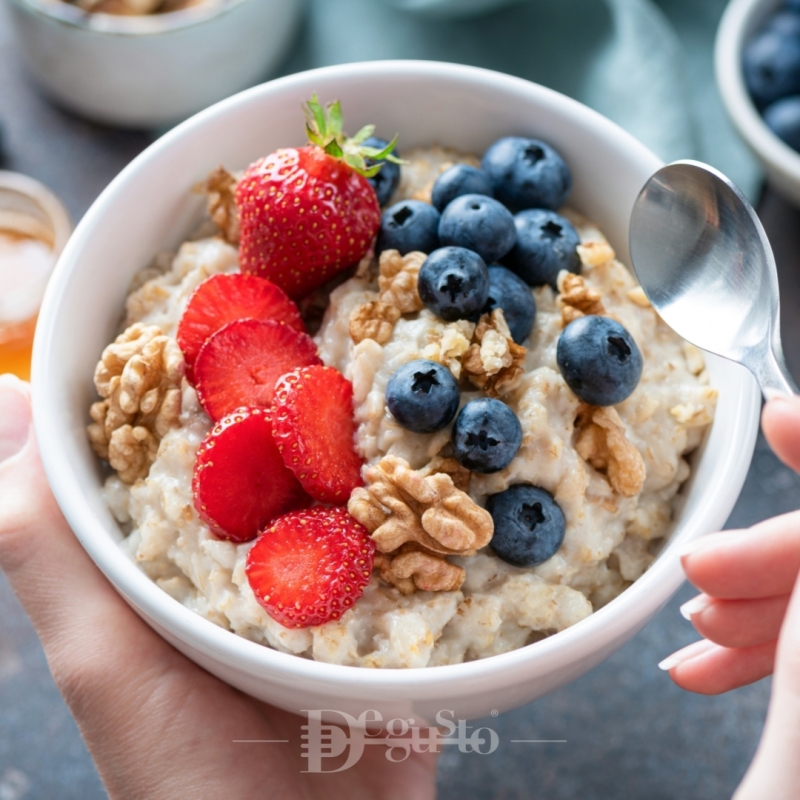
You have to fill up on colors: blueberries, berries, pomegranate, citrus fruits, and leafy greens are packed with antioxidants and bioflavonoids. These substances are real "restructurants" for capillaries, because they strengthen their walls and reduce the passage of liquids through the tissue.
One aspect that should not be overlooked is to drink water in the correct way: there is no point in drinking two liters of water all at once in the evening to make up for it. Water should be sipped constantly throughout the day to deeply hydrate the cells.
Improving cellulite requires teamwork. Nutrition is a fundamental pillar, but it goes hand in hand with proper movement. In this regard, a little tip: hours and hours of running or exasperated cardio on the treadmill often make the situation worse, because they increase lactic acid and local inflammation. Much better to alternate brisk walking with good weight training, which stimulates the muscle pump and helps the blood rise.
Improving cellulite means making peace with your biology, nourishing yourself to ignite your body, and choosing consistency over drastic solutions.
(Article by Dr. Maddalena della Bianca)