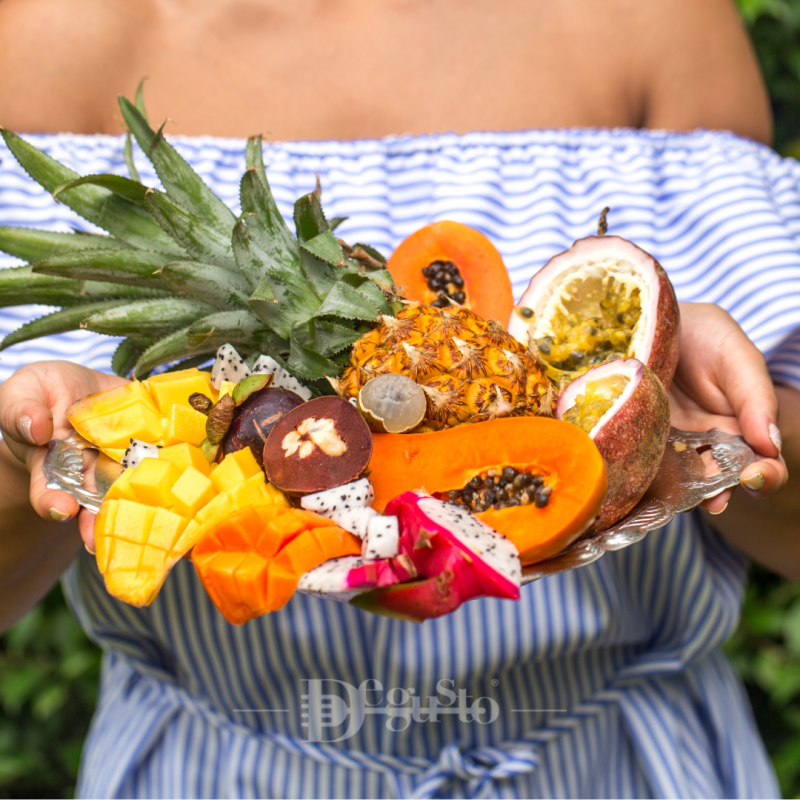
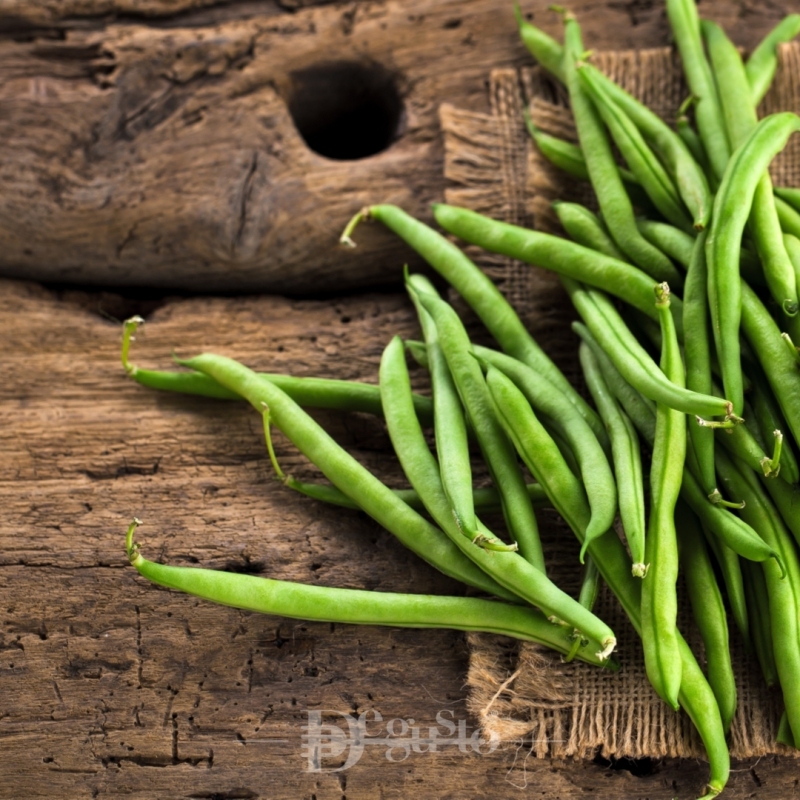
The change of seasons brings with it a transformation at the table too: temperatures influence how we eat, what we choose, and even the quantities. With the arrival of summer, nutrition changes spontaneously, but not always consciously. Understanding these changes and managing them correctly helps maintain balance without straining the body or forcing habits.
In summer, lifestyle changes because on vacation, people eat out more often, paying less attention to nutritional intake. Additionally, minerals are lost with increased sweating and perspiration, and dehydration can impair energy, cognitive function, and alertness and worsen constipation, especially in older adults who feel less thirsty and don't remember to drink.
How does nutrition change with the summer season?
As the temperature increases, the first need is greater hydration, followed by the desire for foods to be consumed cold or at room temperature.
Below are some points to follow to get into the summer without getting heavy.
Increase water consumption, better at room temperature than cold to avoid stomach upset;
Be careful with other drinks, often if sugary they contain a lot of calories and do not give us satiety:
- Juices, centrifuges and extracts contain less fibre than the whole fruit, but retain the same amount of sugar;
- Alcoholic aperitifs contain alcohol which is an anhydrous sugar that dehydrates and has a high caloric intake;
- Non-alcoholic aperitifs do not always contain fruit which is often replaced with fruit grenadines which are sugar-based;
- It's best to use water flavored with mint, basil, lime... thirst-quenching and sugar-free.
Summer is a great time to replace some animal protein with plant-based protein. We can decrease meat consumption and include in our diets salads of cereals and legumes, rich in mineral salts such as calcium and iron, and free of cholesterol and fat.
It is better to prefer raw vegetables that provide not only mineral salts but also vitamins, thus promoting metabolic efficiency.
Don't overdo it with bresaola and ham or other processed meats that contain salt and preservatives. Better to prefer a fresh meat or fish carpaccio; also be careful of cheeses and preserved fish, which are also rich in salt.
In salads, it is best to include only one protein at a time and if this is mallet cheese, prefer fresh cheeses.
Ice cream, when placed in a balanced diet, helps to overcome the heat: it is better to prefer it as a snack and choose an artisanal ice cream, also excellent fruit sorbets made with fruit “real”.
To help our body with the change of power, it is certainly essential to get moving, and therefore take advantage of the warm season to do physical activity outdoors. A healthy lifestyle is, in fact, made up of quality nutrition, in the right doses, and plenty of physical activity.
(Article by Dr. Cristina Giusto)